Equine Digestion Simplified
Understanding a horse’s biology is important to your horse’s health and happiness. While there’s a thousand answers to what you should feed your horse, the facts about a horse’s system stay the same. I want to go over the basics so you can make informed decisions about managing your horses feed in a way that enhances their health and performance as a result!
Why You Need To Understand Digestion: Colic, ulcers, malnutrition, and even behavioral difficulties can be caused by poor feeding habits or quality. Understanding the what’s and why’s of digestion can help you make informed decisions helping you ensure you’re doing the best you can for your performance partner. So often I hear that even professionals don’t ‘overthink’ feeding. While I agree that feeding simply is ideal, It’s often followed up by complaints and fears of common issues caused simply by being too ‘simple’ with our horse’s diet. No two horses are exactly the same, so overlooking nutritional needs and feeding habits can be fine for some individuals, and downright harmful to others. In this article, I’ll discuss how a horse’s digestion works, and how this knowladge impacts what I feed.
Pharynx and Esophagus: The first step in our system is getting food to a horse’s surprisingly small stomach. This is enacted through the mouth, then a small funnel-like muscular structure called the Pharynx, and finally the Esophagus. This structure is partially to blame for that infamous issue that affects horses and terrifies horse owners; colic! Horse’s have very strong muscles in the pharynx and esophagus. To add insult, the location where the soft palette and pharynx join up creates a trap-like shape that food can’t escape.
How does food get through the esophagus, and entire system, after passing this ‘trap’? Well, that part is quite fascinating! Food travels down the esophagus via rhythmic muscular movements known as peristalsis. Peristalsis is a marvelous process of digestive systems across species; you and I do it without even knowing it, however, ours also allows food to come back through the ‘wrong way’. The digestive tract is formed in segments that squeeze and relax to move food along. Think pushing a ball through an opening just small enough by squeezing it. Peristalsis throughout the digestive system is an important factor to remember because activity and water intake help peristalsis function. Peristalsis is necessary to maintain because it reduces build-up and thus blockage, a common colic contributor. Water helps produce lubricating fluid in the digestive passages and movement helps encourage muscles in the system to flex to keep things flowing.
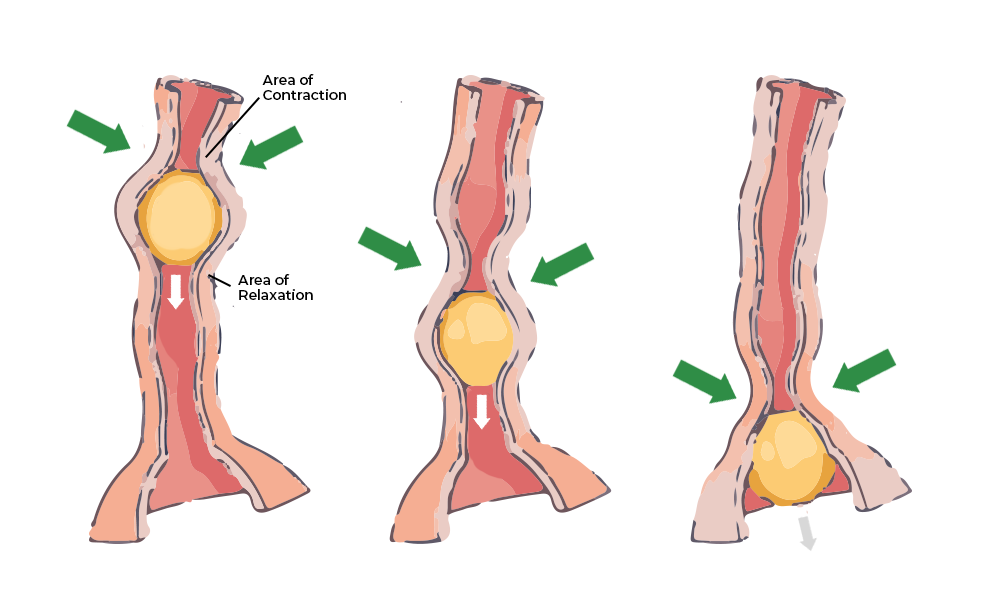
Peristalsis In Action
The digestive tract is designed to push food through wave-like segments.
Stomach:
Once food travels the length of the esophagus, It lands in a horses stomach where our most prominent anti-vomiting anatomy lays; The Cardiac Sphincter. This muscular system traps food inside the stomach. The Cardiac Sphincter is an impressive mechanism that unfortunately has the most to do with colic. It’s a one-way tunnel just like the trap-like Pharynx and Esophagus we talked about earlier, but much stronger and impossible to bi-pass.
Horses are built for grazing. Humans and other omnivores and predatory animals are built to be able to process a large meal. Horses and other equines are not, and spend 10- 17 hours a day grazing in the wild. A horse’s stomach only makes up about 9% of the total digestive system and holds about 3-6 gallons of volume. In comparison, the human stomach is about 20% of our digestive systems. Horses rely much more on fermenting grasses in the intestinal tract. We call a horse's digestion ‘monogastric hindgut-fermenting’, meaning they’ have a single-chamber stomach and rely on fermentation for most of their energy. Horses are built to graze, with a small stomach that becomes overstuffed easily. However, if we slow down eating habits to mimic grazing, we help our horses stay healthier.
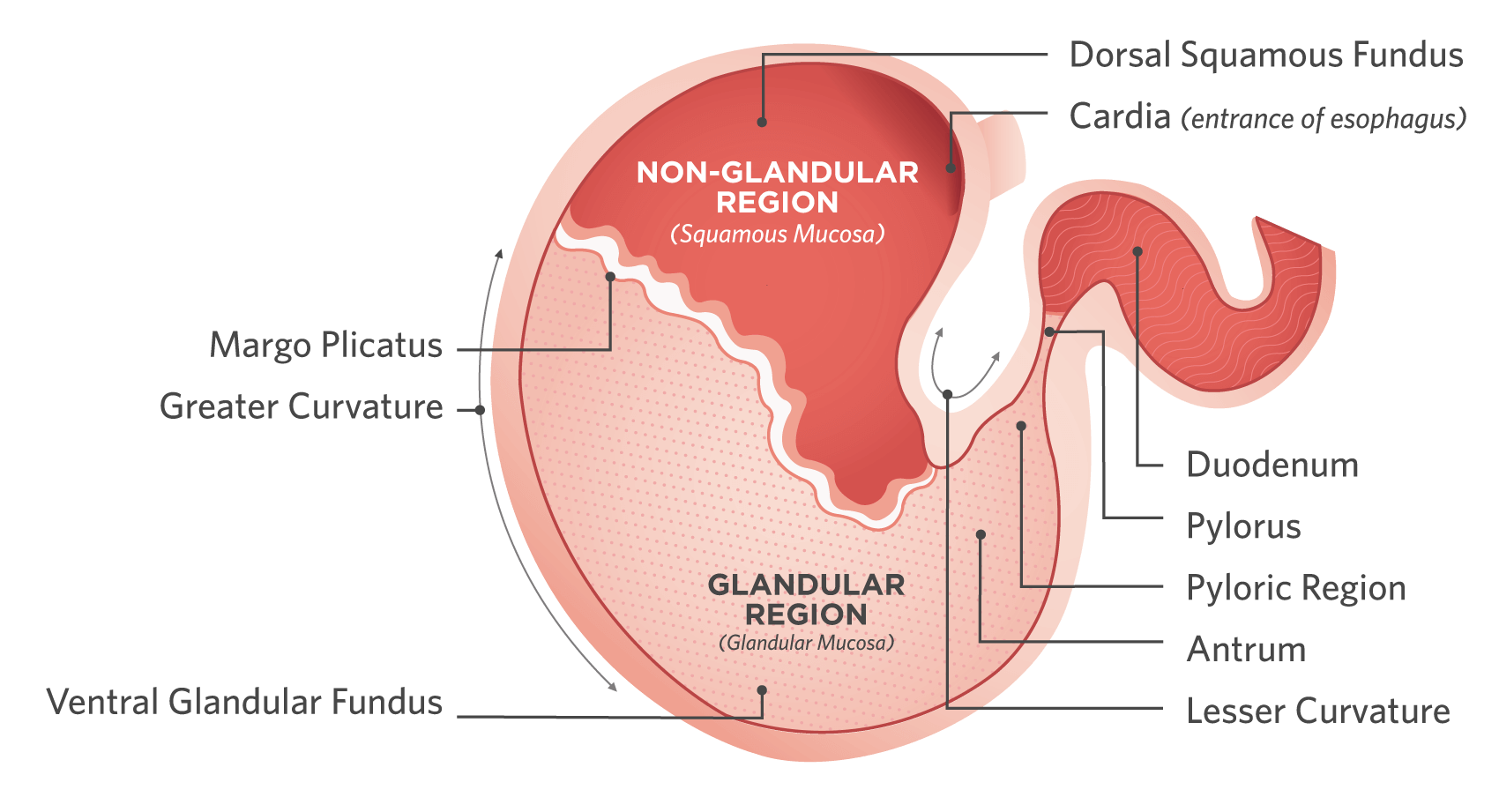
A horses stomach can’t expand like ours. Let’s really think about that as we throw our flakes out and mix a big bucket of grain and pellets. If you fill that stomach to it’s limits, it will not eventually expand to hold more food like ours does. Humans and many other animals can stretch and shrink their stomach over time with the introduction of larger meals, or lessening of meals. This is why people struggling with obesity will commonly receive a Bariatric surgery to shrink their stomach volume. Humans have the ability to adapt to the amount of food they eat. As grazing animals, who are supposed to eat throughout the day, a horse’s stomach cannot adapt to eating larger meals. Your horse’s stomach can only hold so much before food places itself in what I refer to as the ‘ulcer zone’; the sensitive non-glandular region of the stomach.
Stomachs use acid produced by glands to start breaking down foods and absorb proteins. Horses, like many other animals, have two regions, a glandular region that produces acids and a non-glandular region that does not. Animals with glandular regions in their stomachs have a region along their stomach that contains glands that produce acids, and other parts that don’t contain these glands. For horses, the glandular region is in the bottom portion of the stomach. Each horse is an individual, and some horses have slightly more acid producing glands than others. This is why some horses are more prone to ulcers.
The equine stomach’s glandular region continuously produces stomach acids regardless of the amount of food in a horse’s stomach. This means we can run in to an issue. Acids are used to break down foods, but can also start to burn the lining of the stomach if PH levels are not healthily balanced and the stomach is empty. In grazing environments, this problem is greatly reduced. The greatest thing you can do to prevent ulcers and thus the absorption, colic, and behavioral issues that come with it is to allow a horse the ability to minimize time with an empty stomach, and slow down eating habits to mimic natural grazing.
Now back to our ‘ulcer zone’. I addressed the glandular and non-glandular regions of the stomach so let’s talk about where ulcers are typically found and why. Immediately, you may think the region that produces the acid would fall victim to over-producing and thus create ulcers. That’s not the case, as the glandular portion of the stomach is built to withstand the pH of acid production. The non-glandular portion of the stomach has no glands, meaning even the bicarbonate and mucus made by the glandular portion to help protect it’s delicate lining is missing from the non-glandular portion. Mucus and Bicarbonate are the stomachs natural defense against it’s own acids. Bicarbonate is the chemical in anti-acid medications of all sorts.
Most ulcers occur in the non-glandular portion (Our so-called Ulcer zone) of the stomach due to meals being fed in a way that overfills the stomach and leads acid in excess to be found in the non-glandular region of the stomach. After all that food is digested, the acid still lingers in the empty non-glandular region, causing it to burn the unprepared region. This is why I want equestrians to understand that a horse’s stomach won’t expand. We often overfeed our horses, directly starting a process of creating ulcers that lead to so many other digestive problems. Alright, I’ll stop saying ‘glandular’, non-glandular, and all this other science word-vomit, but we do need to understand these things to better feed our horses!
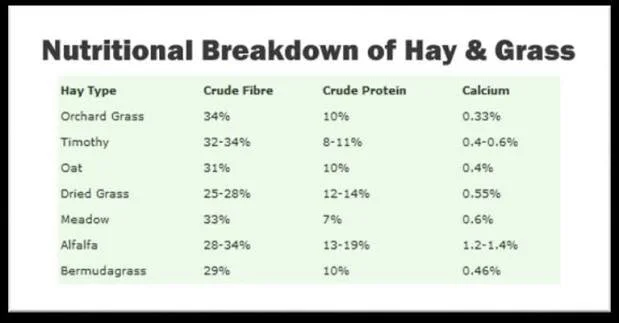
How do we help reduce ulcers and the harmful side-effects that come with them?Firstly, we want to feed at least 3 times a day or with a system that provides large sums of hay slowly. Allowing meals to be enjoyed slowly helps the stomach reduce the amount of time it’s empty and vulnerable to acidity, as well as prevents over-stuffing. Second, what we feed matters, as horses need fiber and lot’s of it. Feeding at least 50% foliage is a necessity, but the more you can provide the better! I tend to feed either a full diet of foliage or down to 70% foliage. One more point I want you to consider as well is that if you do provide pellets or grain for a horse’s nutrients so you can save money, they really don’t need the best hay ever. Foliage is so important because it provides volume and fiber, it doesn’t need to be the world’s most nutrient dense lush alfalfa to provide those things!
Intestines:
It’s time we talk about the biggest portion of our horses digestive system; The small and large intestine! Remember when I mentioned that the stomach of a horse can hold up to 6 gallons of matter? Well, the intestines hold up to an incredible 79 gallons all together! The small intestine makes up around 28% of a horses GI tract, and the”hind-gut” that contains the small and large colon and cecum makes up 60% of the horse’s digestive system. The small intestine holds a little less than 20 gallons and the hind-gut holds an average of 40 gallons of volume in it. The intestinal portion of the digestive system is massive and efficient.
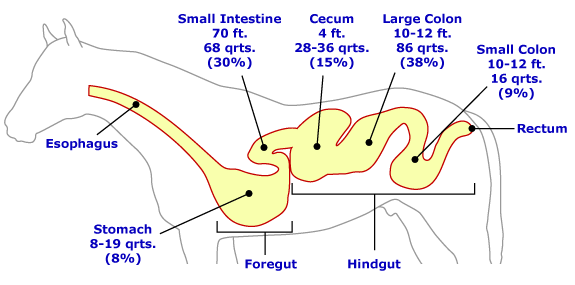
The intestines are made up of multiple parts that contain a different balance of micro-organisms and secretions. The duodenum, jejunum and the ileum make up the small intestine. The cecum, small and large intestine and rectum make up the large intestine. The intestines are where the body absorbs a majority of it’s nutrients. This happens through a combination of secreted enzymes and fermentation by bacteria, viruses, and even fungi that make up a microbiome.
Small Intestines: The small intestine secretes enzymes that break down the largest molecules of foods, the proteins, carbohydrates, and fats. The liver and pancreas are attached to the system externally and produce these enzymes. Insulin is produced by the pancreas and the liver produces bile. Horses lack a gallbladder, but aren’t normally fed foods high enough in fat to cause a concern due to having a large liver.
Insulin is a secretion that breaks down carbs and proteins. It’s critical to an animals digestive process. The balancing of insulin aids in normal digestive functions as well as balancing weight and overall health. Carbs and proteins are directly turned into energy. Bile breaks fats into smaller, easily digested pieces. A horse’s liver that produces this bile is incredibly large, It’s the second largest organ making up 1.5% of a horse’s total weight. These hormones and secretions are the very foundation of healthy digestion and energy production in all living creatures. The amount of nutrients absorbed in the small intestine is dependent on a lot of factors such as rate of passage and how the foods themselves are processed. Again, our fiber and careful feeding of grains support this process in a positive way!
In the small intestine, our horse’s large grain and pellet meals can pass without being properly digested, leading to problems in the hind-gut and it’s microbiome. This is because horses are naturally designed to prioritize structural carbs opposed to the carbs in sugary grains. Structural carbs contain complex chains of sugars that can be slowly digested and fermented partially in the hind-gut opposed to simpler carbohydrates found in grain that can contribute to a horse needing to over produce insulin. The pancreas automatically produces just the right amount of insulin for digestion, but it can become over-loaded causing Insulin Resistance. Some factors like a horse’s breed can make them more susceptible to Insulin Resistance. Our “easy keepers” are at risk for it the most. Breeds like Mustangs, Pony Breeds, and Drafts are often best left on a high forage diet with less sugary grains and grasses.
I urge every horse owner to adjust their horse’s diet with this in mind. We see the same example with kids and candy; an excess of simple carbs will give a burst of energy at times, and a crash at others. An excess of carbs can help your performance horse complete their job as it does in human athletes, or make the average stagnant person or horse anxious and eager to move around more and ultimately overloads the pancreas. Carbohydrates are necessary for sustained energy, but should be balanced for all of us! Something I personally know quite a bit about as a Type One Diabetic of 20 years!
Hindgut, Large Intestine: The large intestine’s (Colon’s) main job is to ferment food and absorb the rest of the nutrients within. Fermentation is the act of breaking down glucose (sugar) using micro-organisms such as bacteria, fungi, and even protozoa. This is where our structural carbs come in to play. Fermentation needs structural carbs. A horse’s microbiome is sensitive and extremely important for their health. If you’ve ever noticed that a horse has loose stools after de-worming, it’s because the wormer harmed their microbiome as well as flushing out all the parasites we don’t want.
Fermentation creates Volatile Fatty Acids, which provide our horses with their energy. Since fermentation relies on a microbiome, it’s important to help the micro-organisms survive and thrive. Forage, hydration, and good bacteria are the most important aspects to healthy microbiomes. Fermentation needs fibrous, complex carbs and starches to feed off of, as well as fluids to keep mucus lubrication moving in the gut. Volatile Fatty Acids are the main type of energy that horses should be relying on, providing 70% of a horse's energy stores. This process is completed thanks to the hindgut, or large intestines.
The small and large colon refers to the chambers of the colon. The colon is a long, large tube shaped organ that acts as a vat for fermentation. The Large colon is the first chamber food enters, it starts the fermentation process of larger fibers and absorbs the nutrients and energy within. The small colon is next, and is smaller in diameter to the large colon, earning the distinction between the organs. The small colon absorbs the final components of needed nutrients and forms that stuff we all know well; lot’s of manure!
Overview: The digestion of all animals very’s, and tells us clues on how we should be feeding, not just what we should feed. By understanding what goes on in the digestive system, we place ourselves in a better position to feed based on our animals needs. The role of the diet on behavior and health isn’t something to take lightly!
A while back, I started my search for a boarding facility. I called around, asking what I consider the most important questions. I’m flexible on arena size, stall cleaning, full care vs partial care, location, price, tack storage— on and on, I’m flexible. However, I’m a stickler for feeding practices. It’s not just wanting the best for the horses in my care, it’s part of horsemanship and when I’m caring for another persons horse, liability. Often I will show up to a barn, and immediately notice symptoms of ulcers in almost all of the horses in their care, Vets estimate that 50 to 90% of horses living in captivity have Ulcers. Often upon learning how a barn feeds, I’m reminded of this statistic.
Often I see barn owners feeding for what’s convenient and cheap. There’s so much that goes in to running a barn that this is understandable, but to me it also adds work. If I have to treat ulcers and colic, not only is that more work, but it’s a heck of a lot more expensive! If I have a horse who’s malnourished, I now have to provide that horse with extra care. If I have a horse with lot’s of inflammation, I could have a lame horse in no time. Nutrition and diet are incredibly important to overall health, and truly make a difference in a horse’s performance and happiness.
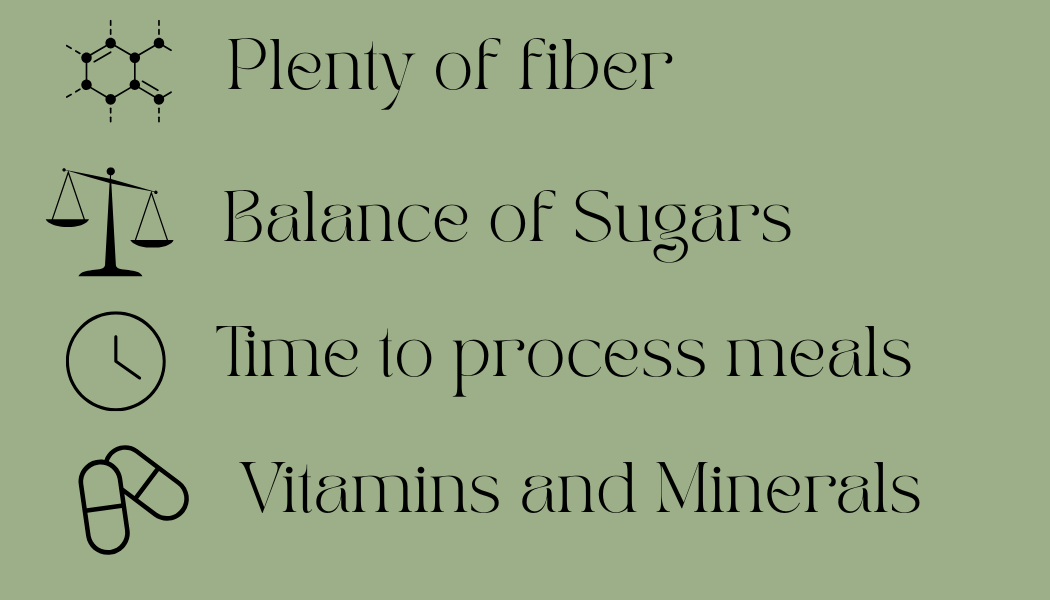
Things I do differently: Firstly I want to touch on the controversial equine diet question! Does alfalfa ‘make a horse hot’? No! and kinda, Yes. Alfalfa has a balance of minerals and fast sugars that is metabolized in a way that provides energy in the form of calories in a very fast and efficient way. I’m not going to blame some grass on my problems, but alfalfa’s amount of calories can make a horse seem ‘hot’! You can replicate the ‘heat’ of alfalfa with any high calorie food. For this reason I love, and hate, alfalfa. I give a lot of it to my skinny horses, but not my easy keepers who are prone to IR and other metabolism issues. I may say it a million times, but I’ll say it a million more; horses, like humans, are not one-size-fits-all. Alfalfa will certainly ‘over feed’ your stagnant, fast metabolizing horses, but don’t blame the type of feed!
Hay type aside, I do like to feed plenty of it in a slow feed situation or fed over multiple feedings. Nets or grazing boxes are my go-to to help mimic natural grazing. Horses typically graze 10-17 hours a day, providing hay for maybe 5 hours of that day makes no sense from a health standpoint. That empty stomach could be eating itself with acids! To support a healthy digestion, I always do my best to have hay of some type in front of my horses for at least 10 hours a day, and slow feeders help me reach that goal.
Both nets and feeders have advantages and disadvantages. Some horses will chew a hole in a hay net, making them not as useful, as well as adding a possibility of eating a foreign object. Grazing boxes eliminate this problem, but are expensive, not easy to repair, and some horses enjoy turning them in to soccer balls! The slow feeder situation in your barn is up to what works for your individual horses and needs.
Grain and Supplements: For grain, I start out with a very small amount unless I’m trying to add weight. To me, grain is like a nutrient rich smoothie for a person, it might not be a meal, but it has vitamins! Most of my horses only get about .5 lbs to 1 lbs of nutrient-dense grain like an omega rich grain, or even a sugary calorie rich grain in the right situation. I never use it as a replacement for hay if my horses have the option to eat hay, only as a ‘booster’ for vitamins and minerals. I stick to a low amount of a higher cost feed, that way it’s still economical for me, healthy for the horses, and provides what I want it to.
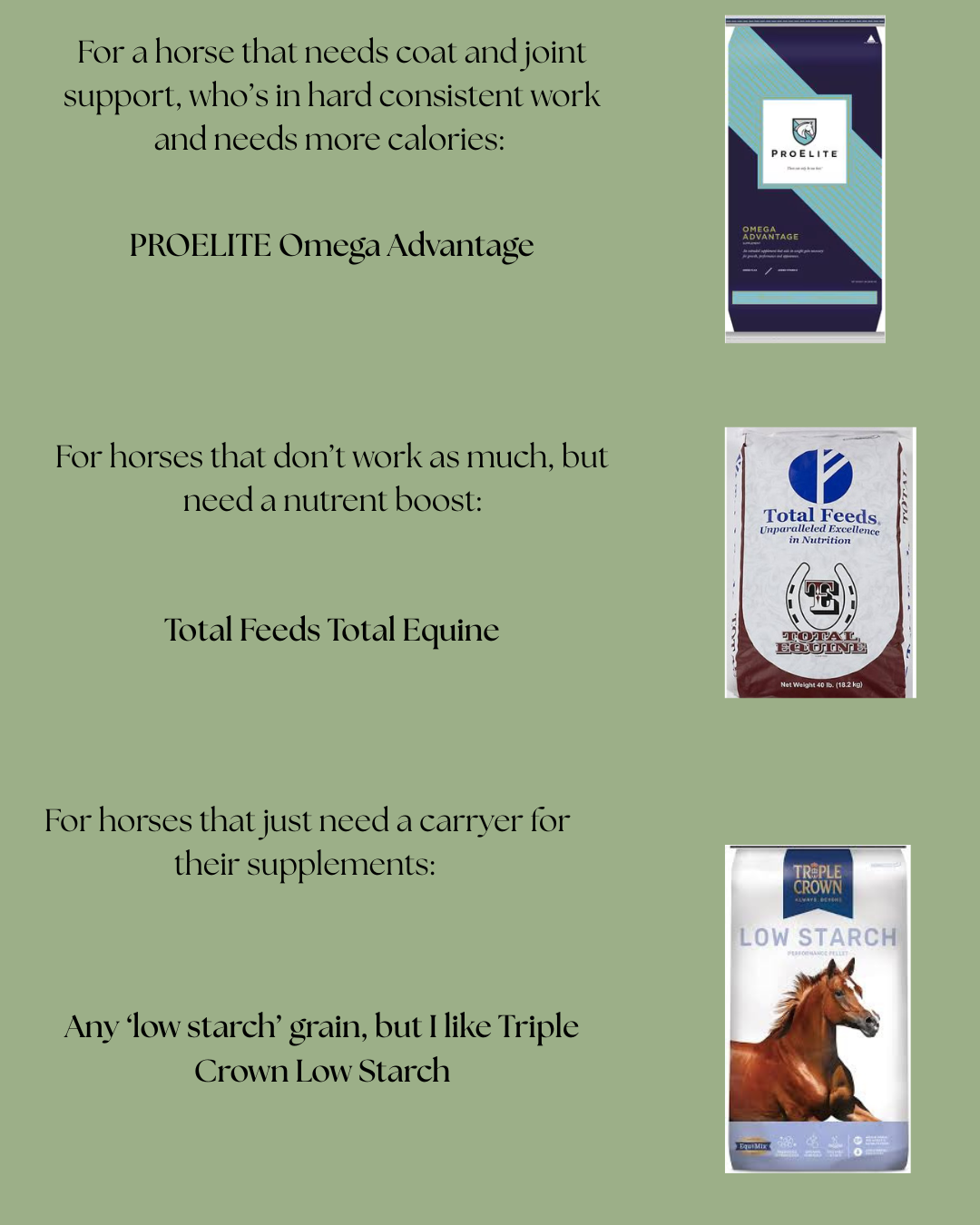
A Few examples, but not my full list, of grains and when I’ll use them!
I also try not to over-supplement my horses, starting with natural supplements and working my way to things that are prescribed if I need to. I add supplements one at a time so I know what’s actually improving my horse’s health and performance. I get a majority of my natural supplements from wholistalife.com . The owner is a good friend of mine and helped me start out with bodywork and barefoot trimming! I like to give all my horses kelp to provide vitamins and minerals, and I always try to keep some Devils Claw and Valerian Root on hand.
If you’ve ever taken Feverfew for a cold, you know that natural supplements can work wonders without breaking the bank. That’s why I typically start with natural, and work my way to prescriptions. We live in an era where cultural practices are all but lost, and a major cultural practice that needs to make a comeback is herbal medicine before taking a pill. I’m a supporter of medicine when it’s needed, but I’ll always try what I can with what the earth provides for us! Not all horses need supplements; their name gives us the hint ‘supplement’ meaning to add to something to re-enforce or enhance.
Closing: Keeping our horses healthy and happy isn’t rocket science, but it is biology! When we feed for the horse, not for our wallet or ‘tradition’, we end up doing something special. My secret ‘advantage’ in the horse world isn’t magic, it’s science! I’m often asked about how I’ve been so fortunate when it comes to topics like colic, ulcers, and metabolism issues. It’s not ‘luck’ or blessings alone, it’s how I pay attention to what my animals need. I don’t ‘hope for the best’, I make it the best I can!
Feeding, food, nutrition, It’s nothing to push aside, it’s our very life force! What we use as fuel, how the body reacts and digests, that’s what keeps us going! There’s no life without food and healthy digestion. I meet equestrians from across disciplines and levels of intensity that reject the importance of good food for themselves and their animals, All the way up to trainers that have outstanding athletes in their barn. To this I always say “why not”. Why not ensure that we’re doing the best we can to help our animals? Plenty of us have the time, lot’s of us have the money, I’m just hoping after reading a little about it, I’ve given you the knowladge that gives you the desire to do the best you can for your horse!
Feed your horse some fiber and treats for me! - Maddison of True Passion Horsemanship.
